Blog
plummark Perspective.
How to Register a Trade Mark in Australia, New Zealand & the UK (Step-by-Step Guide)
How to Register a Trade Mark in Australia, New Zealand & the UK (Step-by-Step Guide)
26 Aug 2025
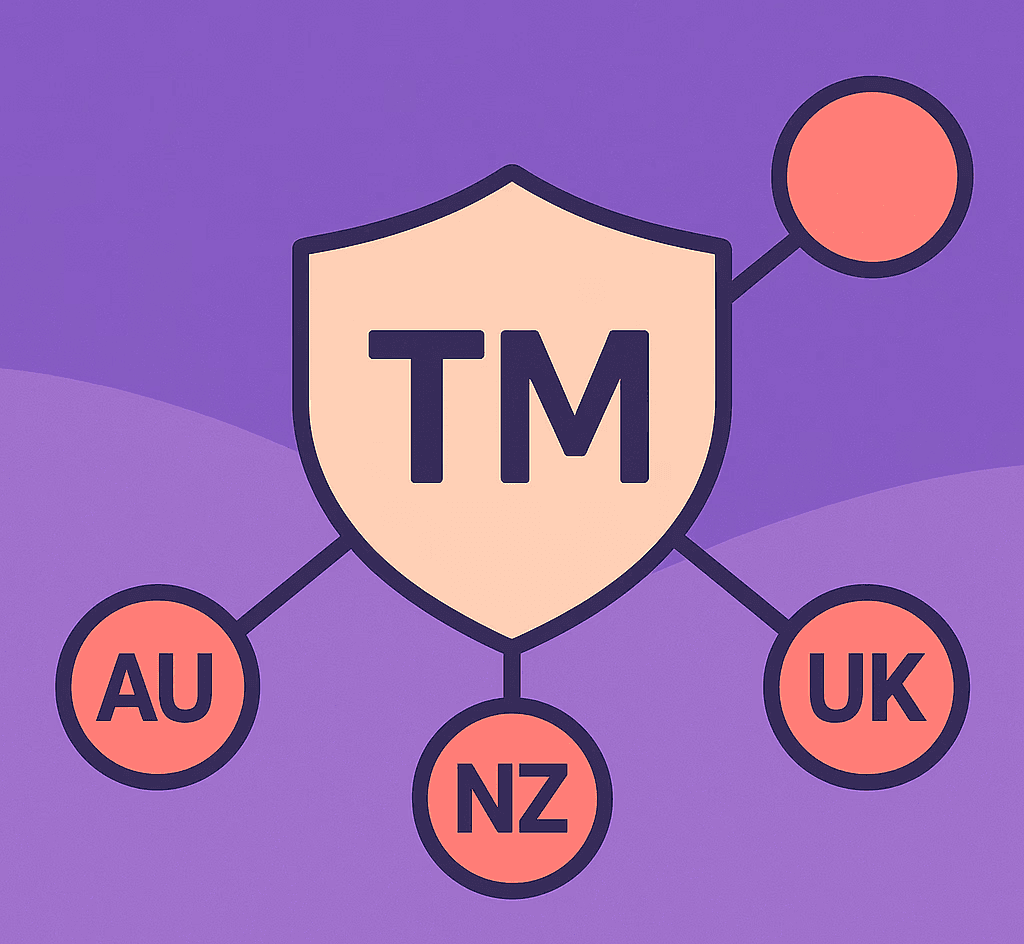
Why registering your trade mark matters
Your brand name is more than just a label, it’s the heart of your business identity. Registering a business name alone doesn’t give you ownership or exclusivity.
To protect your brand and gain exclusive rights across Australia, New Zealand and the UK, you need to complete a formal trade mark registration.
This guide explains how the trade mark registration process works in all three countries. While the steps are similar, there are important differences in timing, opposition periods and costs that every business should understand.
What Does It Mean to Register a Trade Mark in Australia, New Zealand, or the UK?
Registering a business name or company only identifies who is operating the business , it doesn’t prevent others from using the same or a similar name online or in trade.
A registered trade mark, however, gives you exclusive legal rights to use your brand name in connection with your selected goods and services. If you want to truly own your name and protect your reputation in your industry, registering a trade mark is essential.
Step-by-Step Trade Mark Registration Process in Australia, New Zealand and the UK
Step One: Choosing Your Goods and Services
When applying for trade mark registration in Australia, New Zealand or the UK, you’ll need to decide which goods and services your mark will cover.
These are divided into 45 international classes. Your protection applies only to the goods and services you nominate, plus similar and closely related goods and services within those classes.
For example, Class 25 covers clothing and footwear.
If you apply only for “T-shirts”, your rights do not automatically extend to “shoes”.
Taking the time to choose the right classes and wording is one of the most important steps in protecting your brand properly.
Step Two: Filing Your Trade Mark Application
Applications are filed online with the relevant IP office:
- Australia: IP Australia
- New Zealand: IPONZ
- United Kingdom: UK Intellectual Property Office (UK IPO)
Through plummark, you can start applications for Australia, New Zealand and the UK from the same simple online platform.
Step Three: Examination and Review
Once filed, an examiner reviews your application to ensure it meets all legal requirements. They assess whether your trade mark is distinctive and whether it conflicts with any earlier registered marks in the database.
In Australia, IP Australia issues an adverse report if problems are found. You usually have 15 months to overcome the objections.
In New Zealand, IPONZ issues a compliance report. It is less rigid in format, but still requires a response if issues are raised.
In the UK, The UK IPO examines mainly on absolute grounds such as descriptiveness. Potential conflicts with earlier marks are notified to those owners, who can then decide whether to oppose.
Step Four: Publication and Opposition Periods
If your application passes examination, it is published online for public review. This stage is called the opposition period.
Australia: 2 months
New Zealand: 3 months
United Kingdom: 2 months (extendable to 3 in some cases)
If no one objects , or if you successfully defend any opposition , your trade mark moves forward towards registration.
Step Five: Trade Mark Registration
If no oppositions are upheld, your trade mark is registered.
Registration lasts 10 years in all three countries and can be renewed indefinitely, as long as you pay renewal fees and continue to use the mark for your goods and services.
How Much Does It Cost to Register a Trade Mark in Australia, New Zealand, and the UK with Plummark?
plummark offers clear, all-inclusive pricing for online trade mark applications.
Australia: from A$399 (including government filing fees)
New Zealand: from A$219 (including government filing fees)
United Kingdom: from £269 (including government filing fees)
Exact fees depend on the number of classes and any additional legal work required.
Common Mistakes Businesses Make When Registering a Trade Mark
Some of the most common mistakes include:
- Assuming a business name is enough
Registering a business name does not provide any exclusive rights.
- Choosing the wrong goods and services
Poorly selected or incomplete classes can leave parts of your business unprotected.
- Applying for descriptive names
Terms like “Best Coffee” or “The Clothing Shop” are often refused because they are not distinctive.
- Delaying registration until after launch
Waiting until your brand is already in the market can leave you exposed to competitors , or facing the risk that someone else files first.
Remember: a registered trade mark is not just a tool to stop others. It is also a shield that helps protect you from infringement claims.
How Plummark Helps You Register a Trade Mark in Australia, New Zealand, and the UK
plummark makes trade mark registration simple and affordable. One online service covers Australia, New Zealand and the UK.
- Guided online application process
- Flat, transparent fees with no hidden extras
- Support to help you choose the right classes and avoid common mistakes
Our team helps you feel confident that your brand is properly protected before you invest further in marketing and growth.
Conclusion: Why Early Trade Mark Registration Matters
Although the trade mark systems in Australia, New Zealand and the UK are broadly similar, differences in costs, timing and opposition periods make it important to get the details right.
By registering your trade mark early, you:
- Protect your brand name
- Secure exclusive rights for your goods and services
- Reduce the risk of disputes and costly rebranding in the future
Start Your Trade Mark Application with Plummark Today — Simple, Fast, and Affordable.
Why registering your trade mark matters
Your brand name is more than just a label, it’s the heart of your business identity. Registering a business name alone doesn’t give you ownership or exclusivity.
To protect your brand and gain exclusive rights across Australia, New Zealand and the UK, you need to complete a formal trade mark registration.
This guide explains how the trade mark registration process works in all three countries. While the steps are similar, there are important differences in timing, opposition periods and costs that every business should understand.
What Does It Mean to Register a Trade Mark in Australia, New Zealand, or the UK?
Registering a business name or company only identifies who is operating the business , it doesn’t prevent others from using the same or a similar name online or in trade.
A registered trade mark, however, gives you exclusive legal rights to use your brand name in connection with your selected goods and services. If you want to truly own your name and protect your reputation in your industry, registering a trade mark is essential.
Step-by-Step Trade Mark Registration Process in Australia, New Zealand and the UK
Step One: Choosing Your Goods and Services
When applying for trade mark registration in Australia, New Zealand or the UK, you’ll need to decide which goods and services your mark will cover.
These are divided into 45 international classes. Your protection applies only to the goods and services you nominate, plus similar and closely related goods and services within those classes.
For example, Class 25 covers clothing and footwear.
If you apply only for “T-shirts”, your rights do not automatically extend to “shoes”.
Taking the time to choose the right classes and wording is one of the most important steps in protecting your brand properly.
Step Two: Filing Your Trade Mark Application
Applications are filed online with the relevant IP office:
- Australia: IP Australia
- New Zealand: IPONZ
- United Kingdom: UK Intellectual Property Office (UK IPO)
Through plummark, you can start applications for Australia, New Zealand and the UK from the same simple online platform.
Step Three: Examination and Review
Once filed, an examiner reviews your application to ensure it meets all legal requirements. They assess whether your trade mark is distinctive and whether it conflicts with any earlier registered marks in the database.
In Australia, IP Australia issues an adverse report if problems are found. You usually have 15 months to overcome the objections.
In New Zealand, IPONZ issues a compliance report. It is less rigid in format, but still requires a response if issues are raised.
In the UK, The UK IPO examines mainly on absolute grounds such as descriptiveness. Potential conflicts with earlier marks are notified to those owners, who can then decide whether to oppose.
Step Four: Publication and Opposition Periods
If your application passes examination, it is published online for public review. This stage is called the opposition period.
Australia: 2 months
New Zealand: 3 months
United Kingdom: 2 months (extendable to 3 in some cases)
If no one objects , or if you successfully defend any opposition , your trade mark moves forward towards registration.
Step Five: Trade Mark Registration
If no oppositions are upheld, your trade mark is registered.
Registration lasts 10 years in all three countries and can be renewed indefinitely, as long as you pay renewal fees and continue to use the mark for your goods and services.
How Much Does It Cost to Register a Trade Mark in Australia, New Zealand, and the UK with Plummark?
plummark offers clear, all-inclusive pricing for online trade mark applications.
Australia: from A$399 (including government filing fees)
New Zealand: from A$219 (including government filing fees)
United Kingdom: from £269 (including government filing fees)
Exact fees depend on the number of classes and any additional legal work required.
Common Mistakes Businesses Make When Registering a Trade Mark
Some of the most common mistakes include:
- Assuming a business name is enough
Registering a business name does not provide any exclusive rights.
- Choosing the wrong goods and services
Poorly selected or incomplete classes can leave parts of your business unprotected.
- Applying for descriptive names
Terms like “Best Coffee” or “The Clothing Shop” are often refused because they are not distinctive.
- Delaying registration until after launch
Waiting until your brand is already in the market can leave you exposed to competitors , or facing the risk that someone else files first.
Remember: a registered trade mark is not just a tool to stop others. It is also a shield that helps protect you from infringement claims.
How Plummark Helps You Register a Trade Mark in Australia, New Zealand, and the UK
plummark makes trade mark registration simple and affordable. One online service covers Australia, New Zealand and the UK.
- Guided online application process
- Flat, transparent fees with no hidden extras
- Support to help you choose the right classes and avoid common mistakes
Our team helps you feel confident that your brand is properly protected before you invest further in marketing and growth.
Conclusion: Why Early Trade Mark Registration Matters
Although the trade mark systems in Australia, New Zealand and the UK are broadly similar, differences in costs, timing and opposition periods make it important to get the details right.
By registering your trade mark early, you:
- Protect your brand name
- Secure exclusive rights for your goods and services
- Reduce the risk of disputes and costly rebranding in the future
Start Your Trade Mark Application with Plummark Today — Simple, Fast, and Affordable.